Capote betting strategy
Bid smart, survive longer, and only take the shots you can afford.
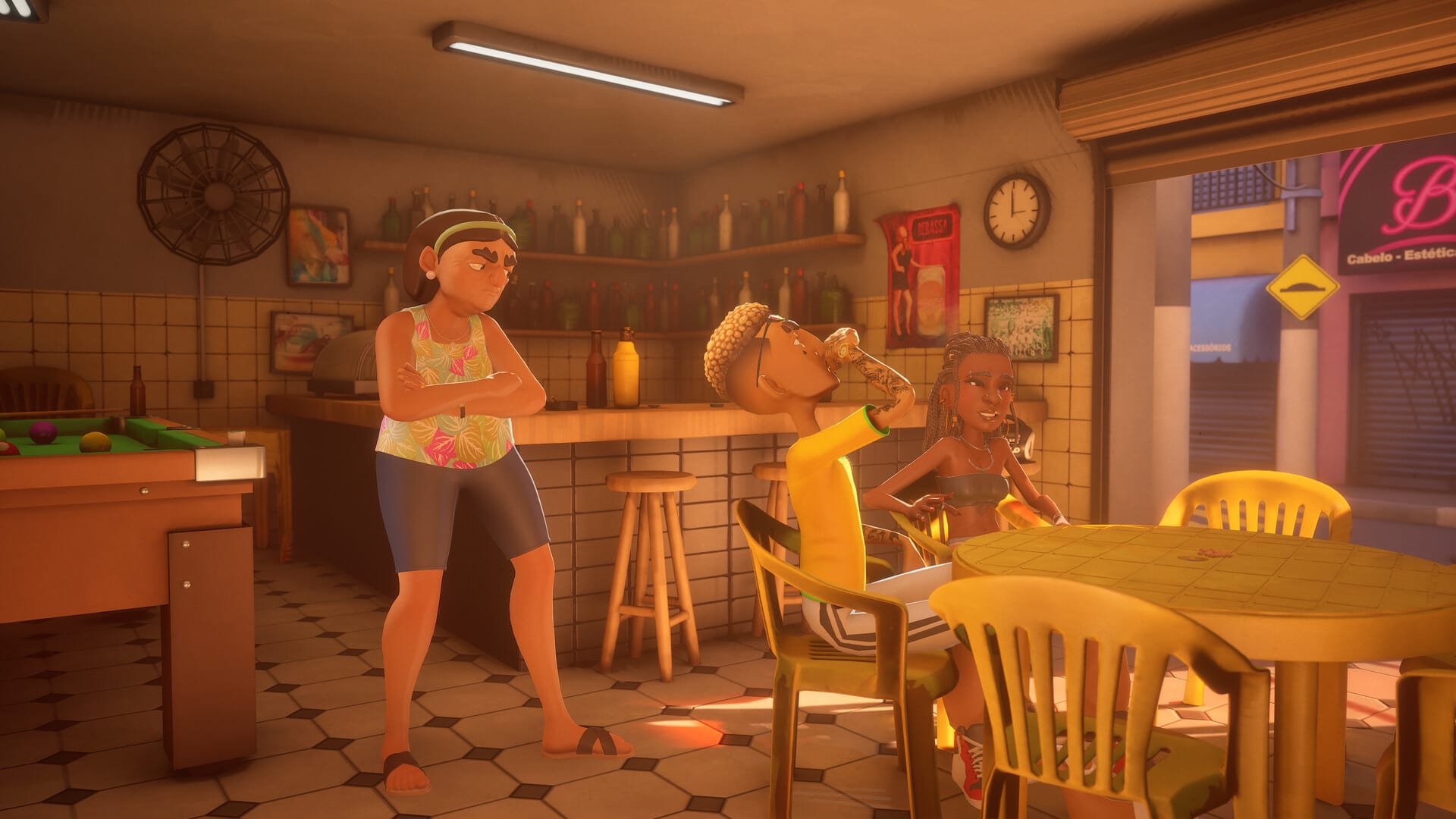
Every Capote round starts with a call. Call too low and you give up momentum; call too high and the table will punish you with shots. This page breaks down how experienced players bid in real matches.
The cost of missing
A bid is correct when your tricks won equals your tricks called. The penalty is symmetric:
- Bid 2, win 4 = 2 shots (over by two).
- Bid 2, win 0 = 2 shots (under by two).
- Bid 0, win 1 = 1 shot.
Your expected shot cost is the sum of probabilities times the number of missed tricks. The goal is not to avoid shots — it is to keep your average cost below the table average so opponents capotado before you do.
Hand-strength shortcuts
Capote’s deck is small enough to read at a glance. With three cards in hand, the only categories that matter:
- Monsters — you hold the two highest cards. You will win at least two tricks unless a special card flips them. Bid accordingly.
- Singletons — one dominant card plus two fillers. Bid the count of cards you can plausibly win, not the count of strong cards. A high card played early often eats the highest opposing card and loses to the next one.
- Pairs — two cards of the same rank. Useful when no opponent has the matching pair plus a third high card. Bid one if you can stall, two if you know the table is weak.
- Trash — no high cards, no special effects. Bid zero and try to dump your cards on low tricks.
Reading the table before you bid
Look at the lobby chat and the betting animation. Capote does not hide other players’ bids until the lock — but the speed of each player’s bid tells you a lot.
- Fast bid of 0 — the player expects to lose every trick, often holding trash or a special card.
- Fast bid of 3 (or max) — the player is bluffing or has a near-perfect hand.
- Slow bid — the player is doing math. They are usually close to the true expected value and should be respected.
- Hovering then changing — original bid was probably wrong; treat the final bid as the player’s best guess.
Combine this with the table history. If the player who just won two rounds in a row bids high again, they probably have a hot hand. If the player who has been losing bids high, they are either desperate or sandbagging.
Defensive bidding patterns
Defenders should almost always bid conservatively. The math:
- A bid of 0 at three-card hand length costs you a maximum of 3 shots if you somehow win every trick.
- A bid of 1 is the safest mid-risk call; you only get punished if you win 0 or 2+ tricks.
- A bid of 2 is risky. Only take it when you can name at least two specific winning tricks.
When in doubt, bid one lower than your gut says. The shots you save early buy you flexibility late.
Aggressive bidding patterns
Capote rewards aggression — but only with information. Use high bids when:
- You are one trick away from capotado and the table is on its last round.
- You are clearly winning the match and want to speed up the table to end the game.
- You hold a special card combo that flips the round in your favor (see the Special Cards Catalog).
Do not bid high just to look dominant. Capotado with one shot on the board is the most common way to lose a match you should have won.
End-game math
Once two or more players are on three shots, the bidding game changes. A high bid from a wounded player is a coin flip: they are either saving themselves or one round from elimination.
- If you are on 2 shots and an opponent on 3 bids high, counter-bid conservatively. Force them to either deliver or capotado.
- If you are on 3 shots and an opponent on 3 bids high, mirror them. Whoever lands the bid gains massive tiebreaker advantage.
- If you are on 0 shots and two opponents are on 3, wait. They will likely take each other out. Bid 0 or 1 and grab the leftover tricks.
Common rookie mistakes
- Bidding the maximum on a singleton hand. Singletons lose tricks. The penalty for missing is brutal.
- Ignoring special cards. A single Shuffle the Deck can flip a 90 percent bid into a 30 percent bid. Check the special cards list before locking in.
- Chaining aggressive bids. If you bid high two rounds in a row, the table knows you are bluffing. Mix it up.
- Forgetting the penalty is symmetric. Bidding low and missing is the same number of shots as bidding high and missing.
Practice drill
- Open a private lobby with three bots on Easy.
- Force yourself to bid 0 or 1 only for ten consecutive rounds.
- Track how often the bots bid higher and miss. You will see that low bids survive.
- Once comfortable, raise to a max bid of 2 for the next ten rounds.
- Switch to public lobbies and apply the same discipline.
A disciplined bidder wins more matches than a flashy one. Move on to the Modes Hub once your bidding is consistent, then try the Betejack solo mode to practice decision-making without table politics.